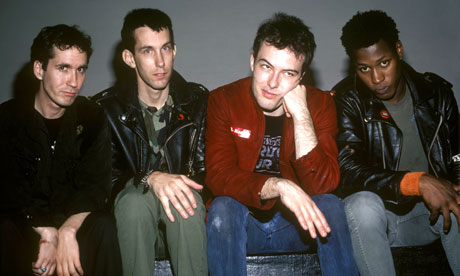
Here's yet more, including Indie rockers Shed 7: https://www.mirror.co.uk/3am/celebrity-news/iron-maiden-queen-madness-make-13639252.amp#referrer=https%3A%2F%2Fwww.google.com&_tf=From%20%251%24s
frequently raise the point that digitization has meant that artists and record labels alike have sought to monetize other areas, and booze is a prime example of how wide this move into branded merchandising is. Take the example of Iron Maiden - they don't just sell one branded beer ... they have a whole website dedicated to their beer line! Smart branding.
See TeamRock article for lots of other examples (and a nice Megadeth intertextual ref).
(and here's a further update:)
I mention beer as a great example of merch - you can buy both Slayer and Iron Maiden beer in Luxembourg (Auchan), and Motorhead, plus some other branded wine/spirits if I recall correctly. That this is now a common strategy, especially in heavy metal, can be seen from a simple google ('heavy metal beer'). See this Pinterest for a gallery (pic, right comes from it):
Please take heed of the warning below - this
post is about videos/music subjected to censorship, so view/read with
caution and not with younger children in sight of your screen.
As I
recently returned to this topic, I've added a few more examples below,
and I'll develop this further when time permits, perhaps into an exam
case study on the mediareg blog (where there are further resources on
this). Use the censorship tag to find more on this blog.
There
are many interesting, highly readable books on the topic - I'll add
details of some I've read as + when time permits, but you can find
examples with a simple 'banned music' search (eg AmazonUK). I'll be reading Southall's book shortly - available on Kindle Unlimited if you're a subscriber.
Brian Southall’s history of the songs, performers, record covers BANNED
by ‘the authorities’ includes the incredible facts behind stories such
as… Roger Daltrey trying to perfect Sonny Boy Williamson’s
stuttering, Cliff Richard banning himself, the airbrushing out of Alice
Cooper’s ‘penis’ on a record cover, and attempts by USA citizens to get
Justin Bieber deported to his native Canada.
Did you know that
Serge Gainsbourg’s ‘Je T’Aime Moi Non Plus’ was the first single banned
from UK’s Top of the Pops and that before that No.1 hit with Jane Birkin
he’d completed an earlier version with Brigitte Bardot? What was
the real reason the Sex Pistols were prevented from topping the singles
chart with ‘God Save The Queen’ in Silver Jubilee week 1977? Why did a falling out between Terence Stamp and The Smiths create a collectors’ item in 1984? Boycotted, banned and the subject of death threats – what exactly was The Dixie Chicks’ crime in 2003?
NB: we also discussed the economic context of the music industry: the concentration of ownership (one of Chomsky's five filters in his propaganda model; filters remove radical counter-hegemonic content before it can shape public discourse or opinion), or consolidation as free market apologists would prefer.
With such scale, the pressure from threats of boycott, often exerted through campaigners targeting advertisers who put ads on some other wing of a conglomerate, can be immense - advertiser power being another of Chomsky (and Herrmann's) propaganda model. Madonna lost a multi-million Pepsi sponsorship when she dared to depict a black Jesus in her Like a Prayer; Time-Warner famously pulled Ice-T's Cop Killer after facing high level political and police pressure, and threats from shareholders. Ice-T now claims the decision was his; he left the record label after the row over this - the Wiki is a short, informative read, but you can find further accounts easily.
When I started out, [Warner] never censored us. Everything we did, we had full control over. But what happened was when the cops moved on Body Count
they issued pressure on the corporate division of Warner Bros., and
that made the music division, they couldn't out-fight 'em in the battle,
so even when you're in a business with somebody who might not wanna
censor you, economically people can put restraints on 'em and cause 'em
to be afraid. I learned that lesson in there, that you're never really
safe as long as you're connected to any big corporation's money. [Wiki]
I've blogged on this before, when leading politicians have fallen behind the bandwagon to 'do something' about the issue of the sexual content of contemporary vids, blamed by some as a key component of the premature sexualisation of today's young, and also accused of spreading misogynistic attitudes.
Now there's news that the BBFC look set to expand their remit and start rating vids - they've already been asked, on a voluntary basis, to do so by major acts such as Metallica. This could become a major for anyone considering the target audience for a video, though the question still remains of how feasible UK-centred censorship is in this globalised, digitised age - will screenagers really be prevented from viewing 'age inappropriate' vids by online age restrictions, which are notoriously easy to get around?
UPDATE: This has been firmed up; see BBFC's site. Try searching for your act's name (see this KO post for example)
To
improve consumer awareness about the content of certain music videos,
and to improve child protection online, Vevo and YouTube, working in
partnership with the BBFC, are making permanent a pilot scheme to age
rate all music videos by artists signed to Sony Music UK, Universal
Music UK and Warner Music UK that are unsuitable for younger children
(under 12s). On 18 August 2015, Government also announced that independent UK music labels will take part in a further six month phase of the pilot.
The ratings appear on Vevo online and on YouTube, both online and on smart phone Apps. On
Vevo, the BBFC ratings symbol appears in the top left hand corner of
the video player for the first few seconds. The rating will reappear
when you move the cursor. You may also click the 'i' icon to see the
ratings information. On YouTube, look for 'Partner Rating' label on the YouTube website; or a 12, 15 or 18 in a square box on the smartphone app underneath the video. The
record labels submit to the BBFC any music video by their artists for
release online in the UK which they would expect to receive at least a
12 rating. The BBFC then classifies each video, watching it through in
its entirety and then assigning an age rating and bespoke content advice
(BBFCinsight, for example, strong language, sex references or
sexualised nudity) on the basis of the BBFC's published Classification
Guidelines. The sort of issues the BBFC considers in classifying music
videos include:
I'll get round to a round-up post on video-centred apps that I've posted on multiple times; this is a linked but distinct topic: Kanye West has made his new video interactive - you can change the vocal and click to grab screenshots for Instagram (etc).
Here's what you see when you visit KanyeWest.com (as I did on 23.7.13):
I was reminded about this just now thanks to a MusicGuardian article, a great source of relevant news, interviews and features, specifically a blog post by Harriet Gibsone. She makes a great point about Kanye's new vid, which is exclusively available via his site (a pointer towards YouTube's grip loosening?):
As this video is streamed exclusively from West's website, it renders
the viewer unable to fast-forward or trace backwards: Black Skinhead
demands your attention
What I also noticed is that there's no attempt at any age restriction, or warning, yet the track features swearwords and racial terms. YouTube hasn't a great reputation for effectively limiting content to minors, but it does at least run age warnings/restrictions and censor some material.
[tbc]
This is as useful for the exam topic of Media Regulation - you could be reading up about the ongoing, intensifying scandal over phone hacking right now! - as Music Vids...
NB: The article cites a notorious song title that contains a swear word. (That very notoriety is part of the appeal to a drinks brand that appeared to be trying to circumvent legal restrictions on marketing alcohol to young people with this campaign)
Dead Kennedys: promoting 'irresponsible drinking'? Photograph: Peter Noble/Redferns
Heineken has been forced to drop a cover of the US punk band Dead Kennedys' song Too Drunk to Fuck that featured in a Kronenbourg 1664 online promotion, after a complaint to the alcohol industry marketing watchdog that it encouraged binge drinking.
Heineken's Kronenbourg 1664 campaign featured banner advertisements on popular music site Spotify.
The ads directed music lovers to a special Kronenbourg "slowed down" playlist as part of a campaign by the beer brand called "Slow the Pace".
Heineken's aim was to link the idea of "relaxed consumption" of beer with music that had been "uncharacteristically slowed down" from the original track.
One of the tracks on the playlist was the Dead Kennedys' Too Drunk to Fuck, originally a thrashy ode to a misspent evening, as covered by the band Nouvelle Vague in an ironic easy-listening style.
Drinks industry marketing watchdog the Portman Group, which operates a self-regulatory code of practice, received a complaint about the promotion and the use of the track.
The Portman Group's independent complaints panel said that while Kronenbourg had not "set out to promote irresponsible drinking", nevertheless the "track name and lyrics referenced drinking to excess, thereby associating the brand with immoderate consumption".
It added that this represented a breach of its industry code, which bans alcohol promotions from "encouraging irresponsible or immoderate drinking".
"This demonstrates just how careful companies have to be when marketing alcohol," said David Poley, chief executive of the Portman Group. "We were pleased that the company took immediate action to remove the track from the playlist. As soon as the complaint was brought to its attention Heineken has also introduced more rigorous approval procedures as a result."


I mention beer as a great example of merch - you can buy both Slayer and Iron Maiden beer in Luxembourg (Auchan), and Motorhead, plus some other branded wine/spirits if I recall correctly. That this is now a common strategy, especially in heavy metal, can be seen from a simple google ('heavy metal beer'). See this Pinterest for a gallery (pic, right comes from it):